What Can I Do If My Customer Refuses to Pay?~5 min read
- If a customer refuses to pay for goods or services, start by reviewing your agreement and gathering records that document the debt.
- Emails, text messages, invoices, purchase orders, and other communications could provide evidence of what you and the customer agreed to.
- A formal demand for payment or a negotiated payment arrangement could resolve the dispute without filing a lawsuit.
- If the customer fails to pay as required under your agreement, you could have a breach of contract claim. In some of these cases, you can also recover your attorneys’ fees.
- Acting promptly is important because Texas law places time limits on debt claims, and an attorney can help you determine the best way to pursue the money you are owed.
Start With the Agreement
You provided the work, delivered the product, or completed the service, but the customer still has not paid. Before deciding what to do next, start by reviewing the agreement between you and the customer.

A written contract could identify the amount owed, payment deadlines, late fees, interest, dispute procedures, and remedies after nonpayment. Even without a traditional signed contract, emails, text messages, invoices, purchase orders, and other communications could provide evidence of the agreement. In Texas, electronic communications under the right circumstances can form a binding contract. If there is a dispute about what you and the customer agreed to, a business litigation attorney can review the available documents and help you determine your legal options.
Gather Your Records
Good documentation becomes especially important when a customer disputes the bill. Keep copies of the contract, invoices, emails, text messages, proof of delivery, work orders, account statements, and records showing the services you performed.
You should also preserve communications in which the customer acknowledges the amount owed or explains why payment has not been made. These records will give your attorney a clearer picture of the dispute and could provide valuable evidence if the matter goes to court.
Send a Formal Demand for Payment
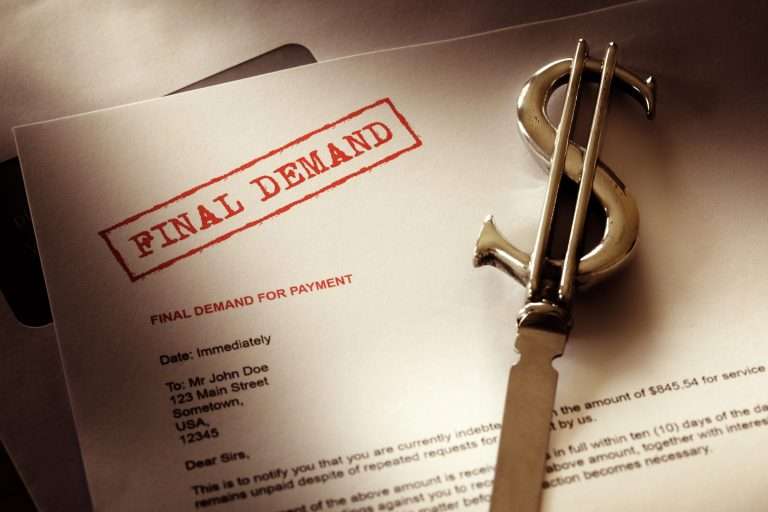
Sometimes repeated invoices are not enough to get a customer to pay. A formal demand letter tells the customer that you are serious about collecting the debt.
The letter will generally identify the amount due, explain the basis for the debt, set a deadline for payment, and state what action you are prepared to take if payment is not received. Depending on the circumstances, an attorney can prepare the demand letter and explain the legal options available if the customer still refuses to pay.
Consider Negotiating a Resolution
Receiving the full amount immediately is usually the goal, but there are situations where a negotiated resolution makes business sense. A customer experiencing temporary financial problems, for example, might agree to a payment schedule.
Before accepting less than what you believe you are owed, consider the size of the debt, the strength of your claim, the customer’s ability to pay, and the cost of pursuing litigation. Any settlement or payment arrangement should be properly documented so everyone understands the terms.
When Does Nonpayment Become a Breach of Contract?
If you fulfilled your obligations and the customer fails to pay as required under your agreement, you could have a breach of contract claim. Contract disputes are a common source of business litigation, including situations where a business provides goods or services and the customer refuses or delays payment.
Do Not Wait Too Long to Collect a Debt
Ignoring an unpaid account for months or years could reduce your options. Texas law generally provides a four-year limitations period for an action involving a debt, although the applicable deadline depends on the facts and type of obligation.
Waiting also creates practical problems. Employees leave, records get misplaced, businesses close, and a customer’s financial condition could deteriorate. Addressing nonpayment early puts you in a better position to decide what action makes financial sense.
Contact Springer Lyle Dameron & Harrison
If a customer owes your business money and refuses to pay, you do not have to let unpaid invoices continue to affect your bottom line. Springer Lyle Dameron & Harrison represents Texas businesses in contract and business disputes and can help you evaluate your legal options. Contact Aubry Dameron at 940-387-0404 or click here to discuss your situation.
Springer Lyle Dameron & Harrison is located at 1807 Westminster St, Denton, Texas 76205.
FAQs
What if I do not have a signed contract?
You could still have an enforceable agreement. Emails, text messages, invoices, purchase orders, and other communications could provide evidence showing what you and the customer agreed to.
Should I send a demand letter before filing a lawsuit?
A demand letter is frequently a useful first step because it clearly states what is owed and gives the customer an opportunity to pay before litigation. The right strategy will depend on the amount owed, your agreement, and the customer’s response.
Is suing a customer worth the cost?
That depends on the amount owed, the available evidence, the customer’s ability to pay, and the anticipated cost of pursuing the claim. A business litigation attorney can review these factors with you and help you determine which option makes the most financial sense. In breach of contract cases, you may also have the right to collect your attorney fees.

Aubry Dameron
Aubry Dameron is an experienced attorney who focuses on probate litigation, estate planning, business litigation, and criminal and civil appeals. She earned her Juris Doctor, cum laude, from SMU Dedman School of Law and has served as President of the Denton County Bar Association. Aubry is recognized as a Super Lawyers Rising Star and is Top Rated by Super Lawyers.